Hardwoods
Browse our extensive range of hardwood boards for joinery, furniture, gates, doors, worktops and specialist DIY projects. Available for click and collect, view at our Bramshall depot or for delivery from W. Burton & Sons.
To find out more complete our Hardwoods enquiry form or call our friendly hardwoods team on 01538 753184.
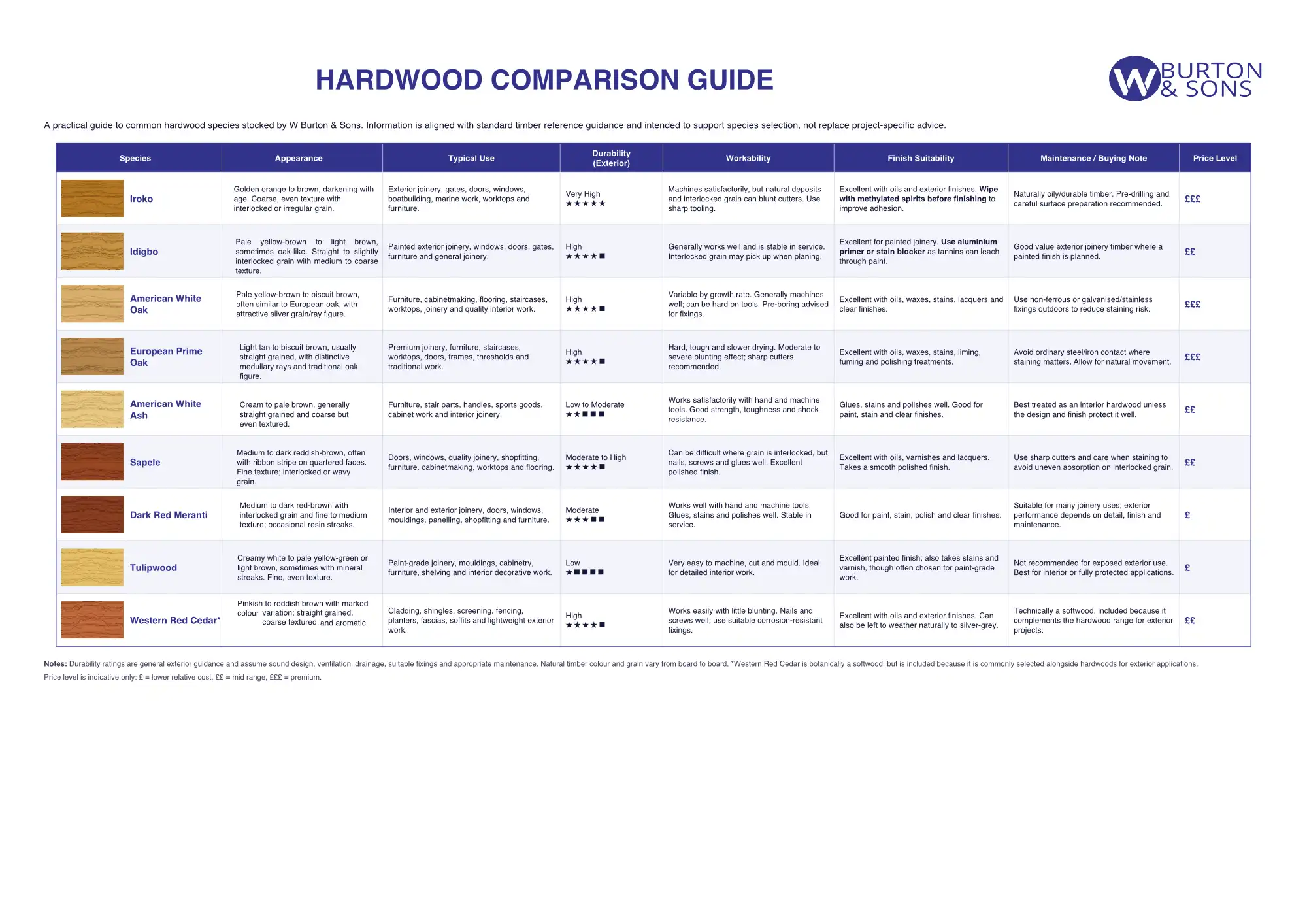
Download our Hardwood Comparison Table.
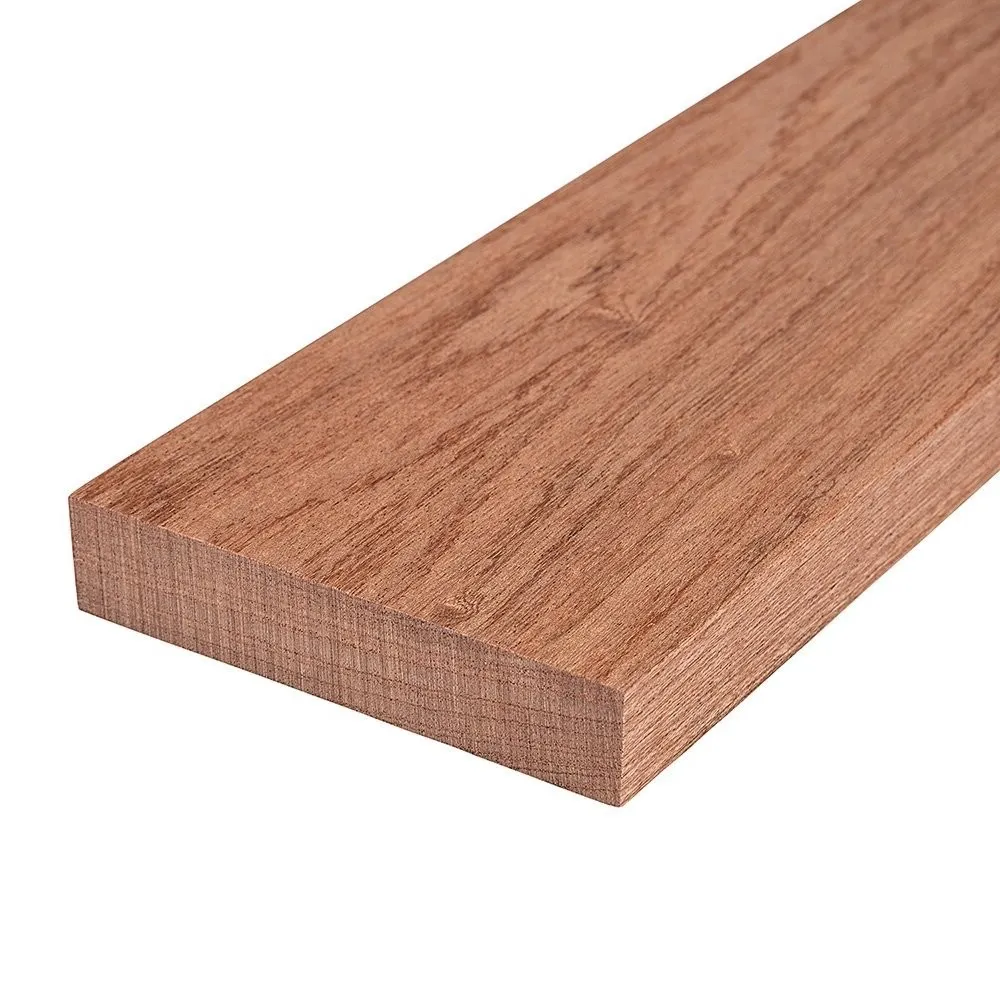
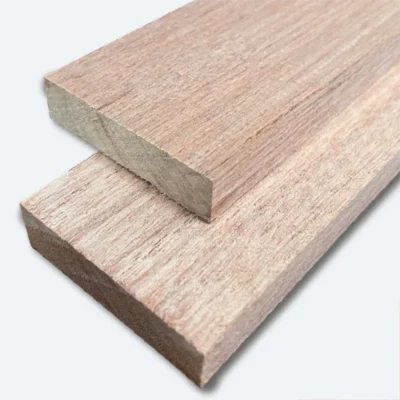
Shop Sapele
Durable, Stable, Darker Hardwood. Popular for Doors/Window Frames.
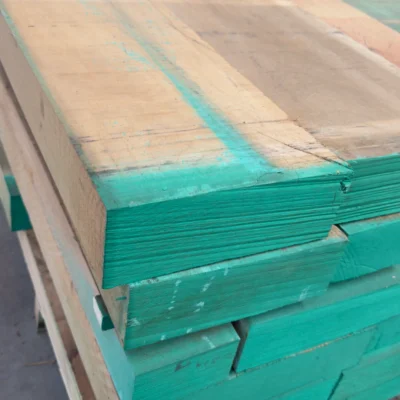
Shop Idigbo
Great alternative to Oak. Exterior joinery, gates, painted work.
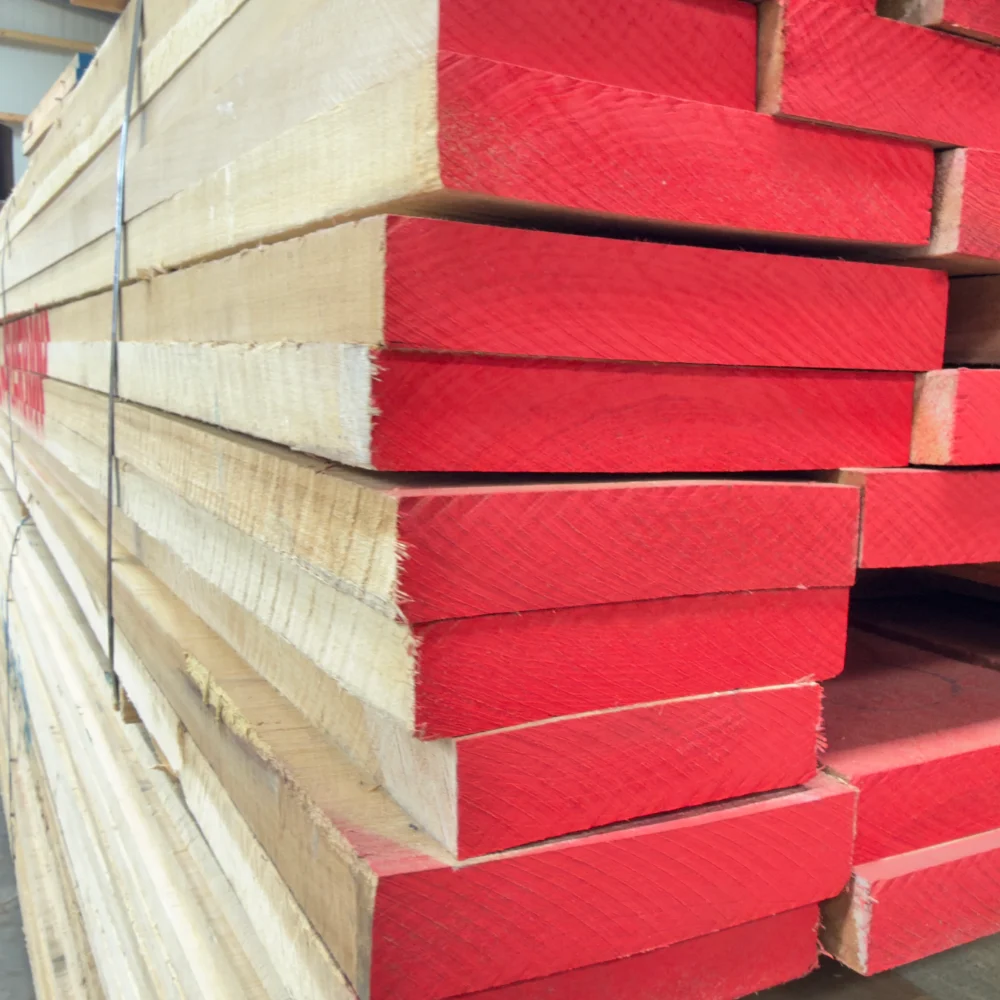
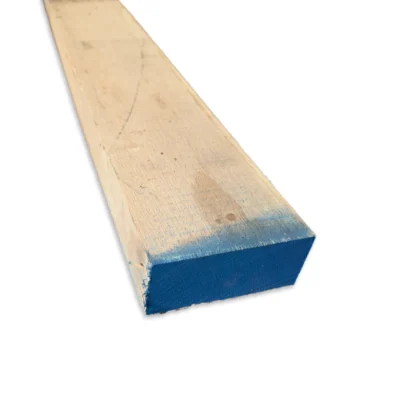
Shop Euro Oak
Premium visible interior or exterior joinery, gates worktops, furniture.
Hand Picked Products
-

Tulipwood (wide) 25.4mm x 228.6mm x 4.57m
£30.00 ex VAT (£36.00 inc VAT) -
American White Ash (wide) 38.1mm x 304.8mm x 3.66m
£93.33 ex VAT (£112.00 inc VAT) -
Dark Red Meranti (63.5mm) | Joinery
Price range: £98.33 through £128.33 -
Iroko 100mm x 180mm x 3.8m
£180.00 ex VAT (£216.00 inc VAT) -
American White Oak – 25.4mm – 2.13m length – For Flooring and Joinery
Price range: £16.67 through £36.67 -
Euro Oak Prime 27mm x 150mm x 3.8m
£65.00 ex VAT (£78.00 inc VAT) -
Idigbo 25mm x 180mm x 4.2m
£29.17 ex VAT (£35.00 inc VAT) -
Sapele 100mm x 170mm x 4.8m
£130.00 ex VAT (£156.00 inc VAT) -
Western Red Cedar Cladding (18mm x 144mm) (136mm Cover)
Price range: £55.00 through £58.33 -
American White Ash Hardwood Boards – 38.1mm Thick
Price range: £25.00 through £126.67
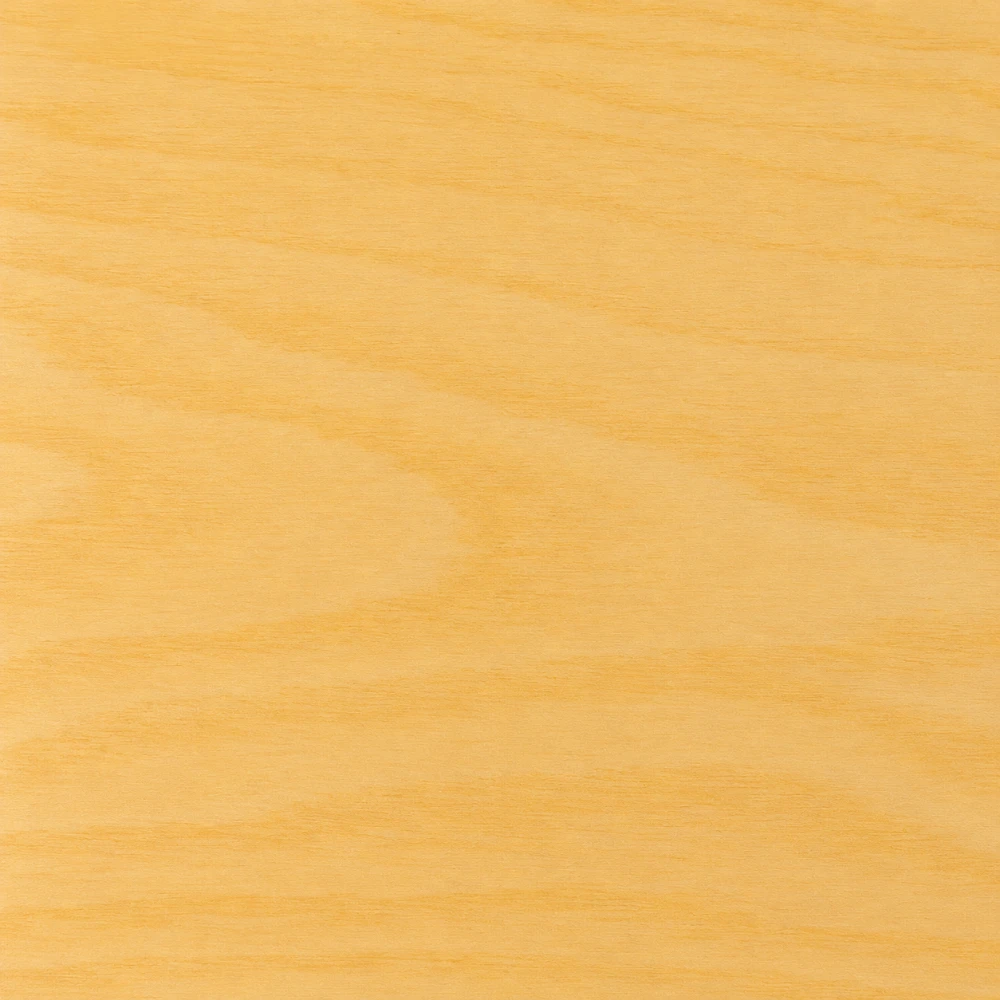
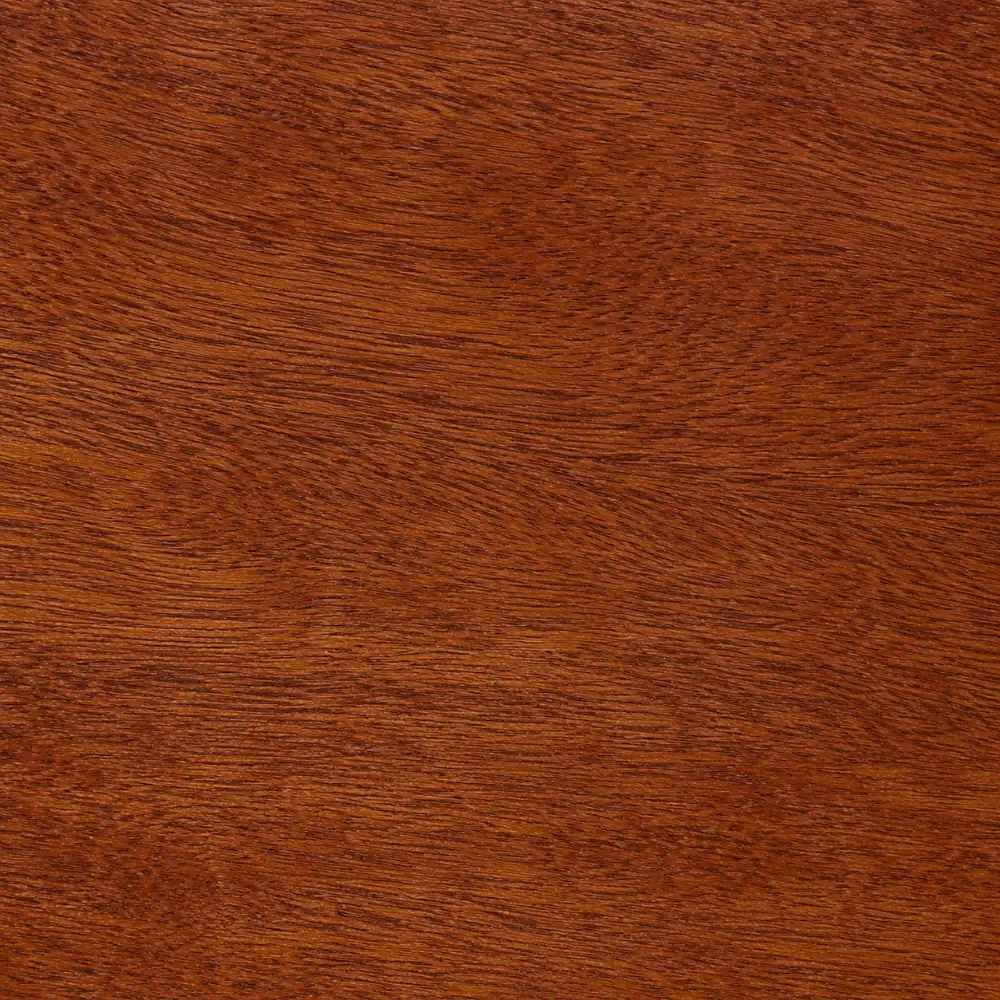
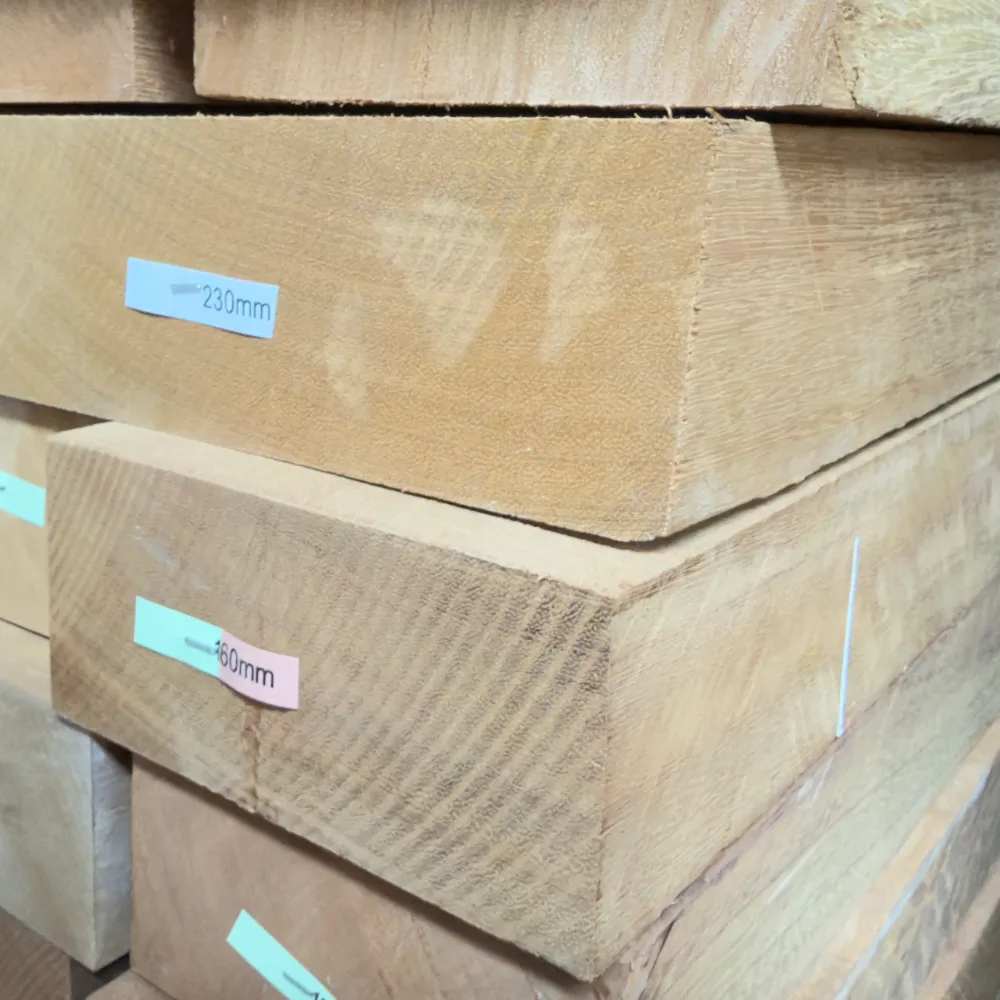
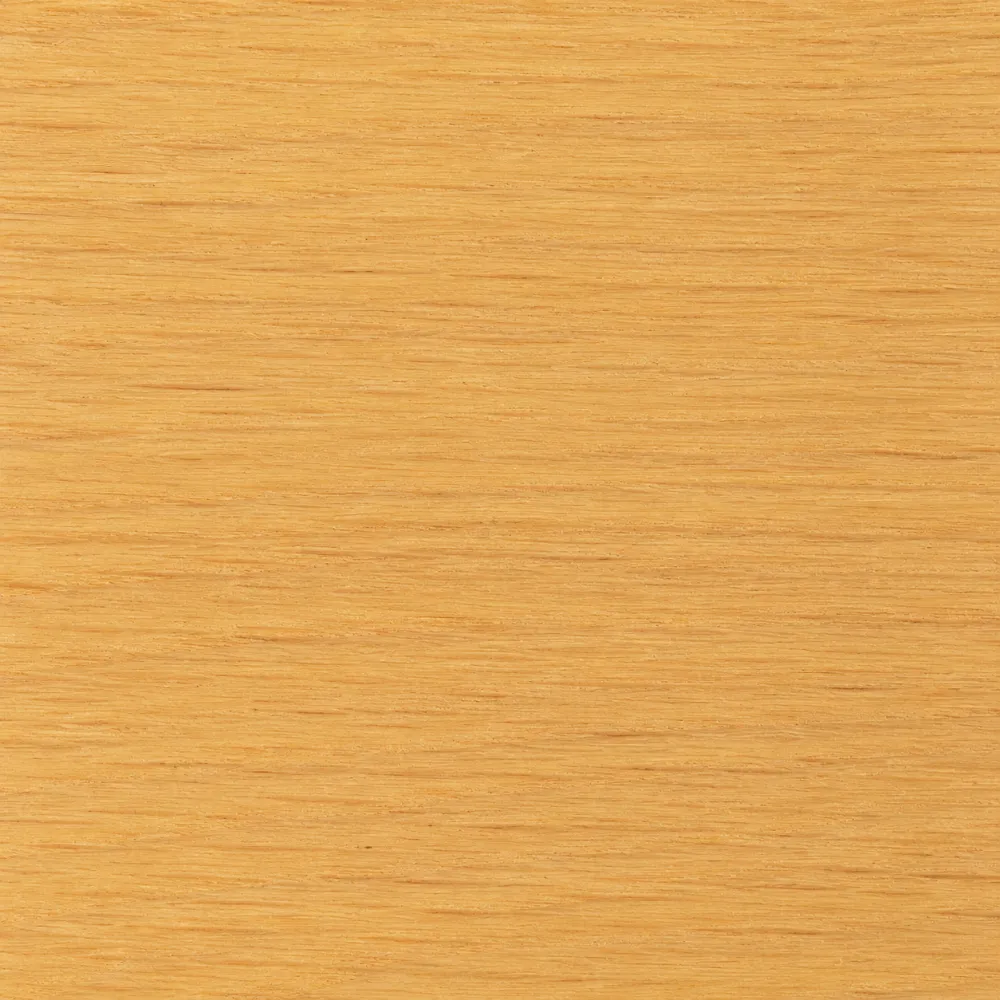
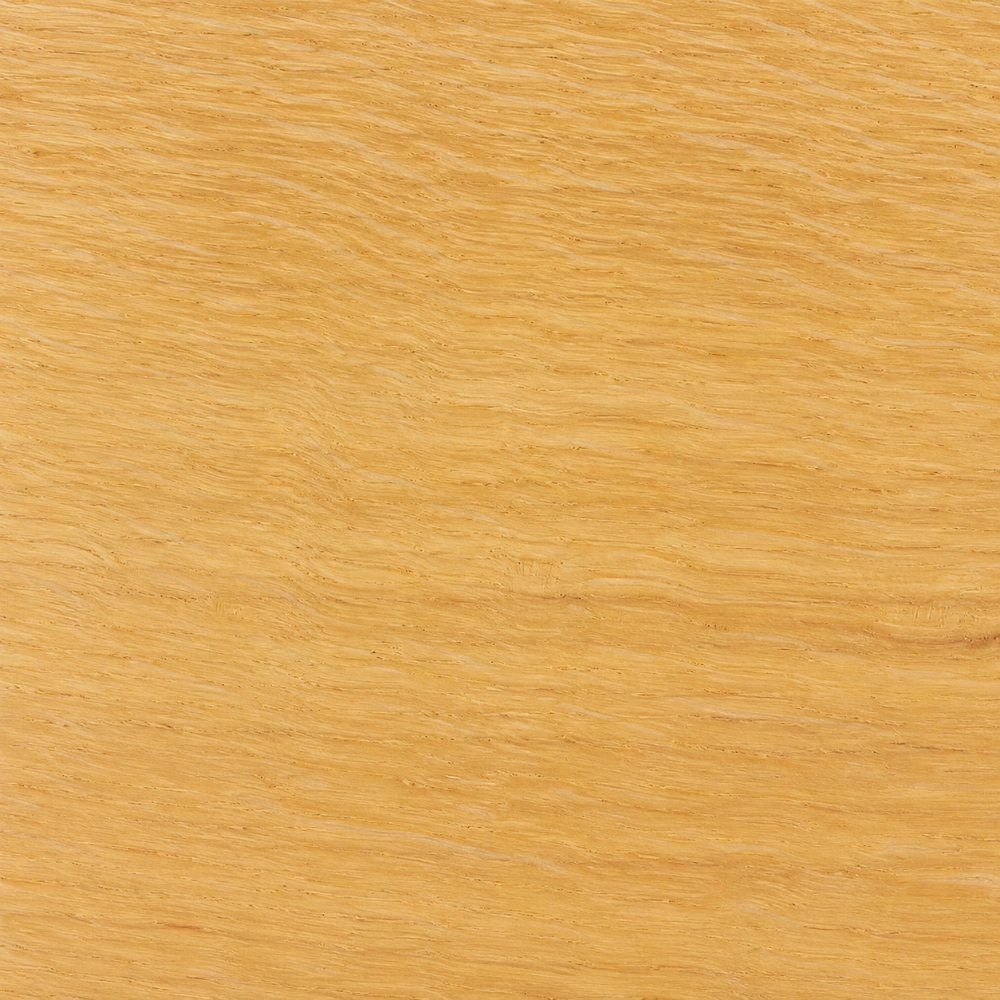
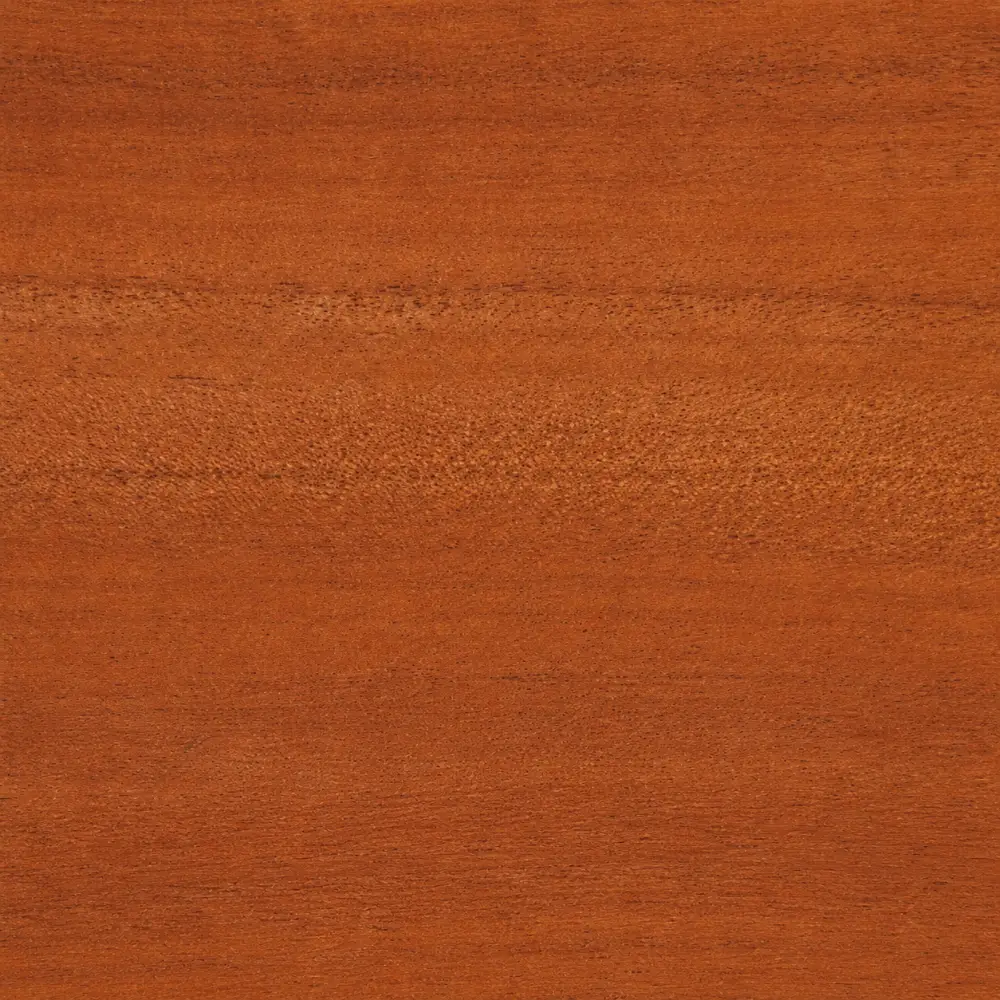
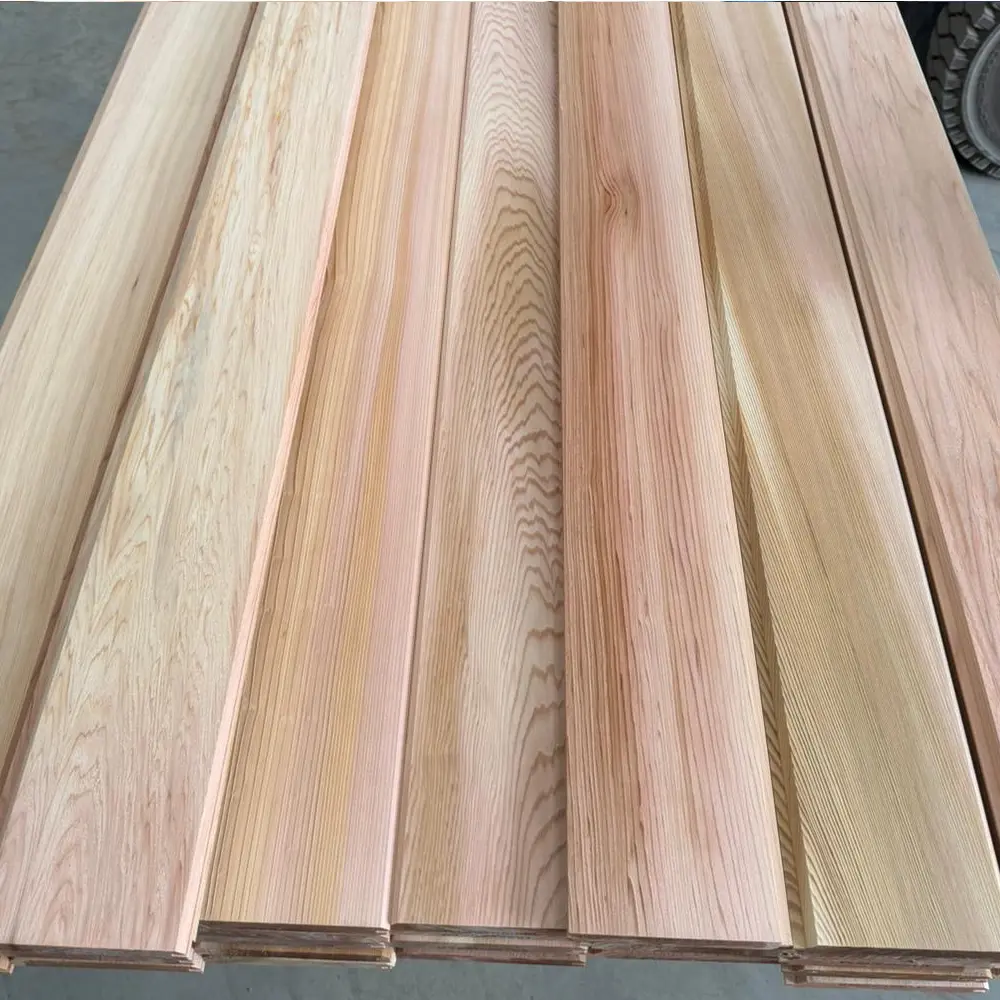
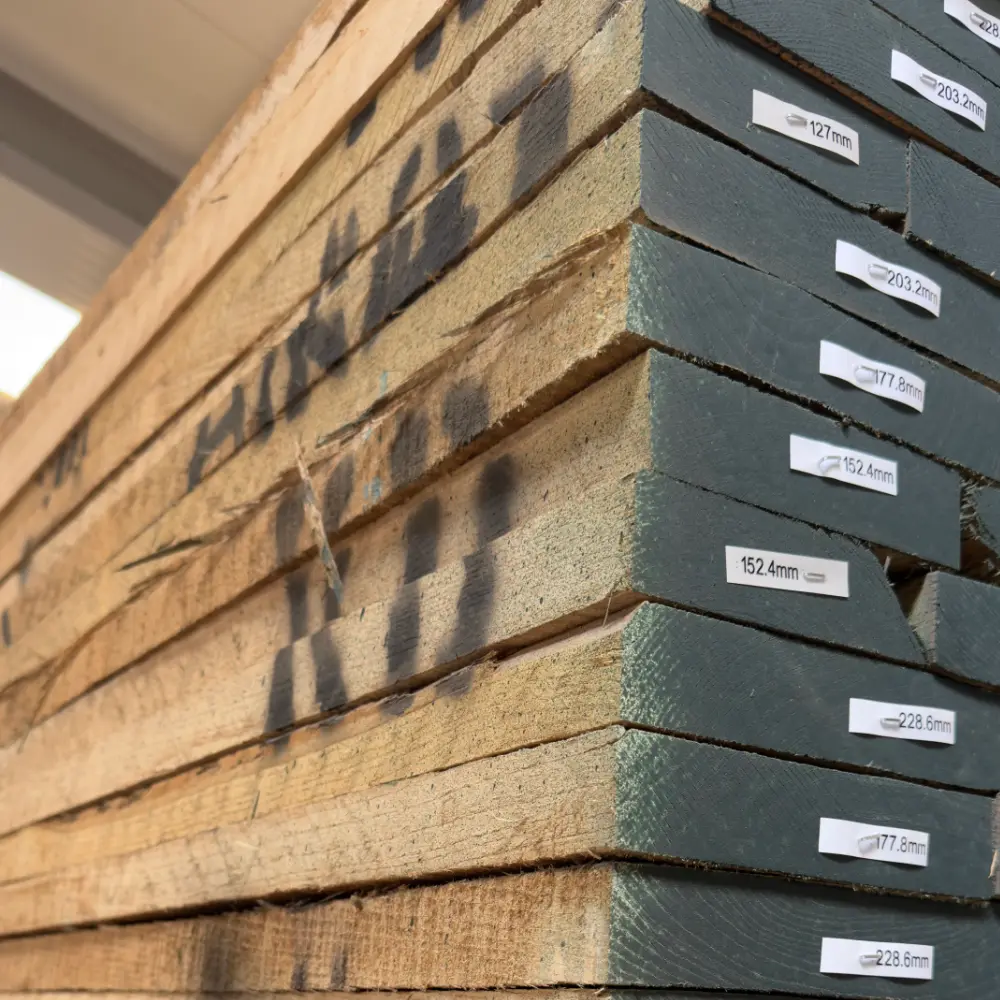
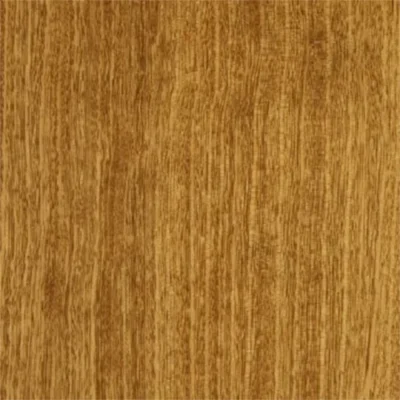
Need More? Shop Our Hardwood Departments
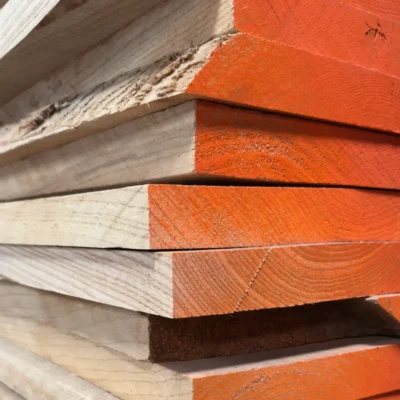
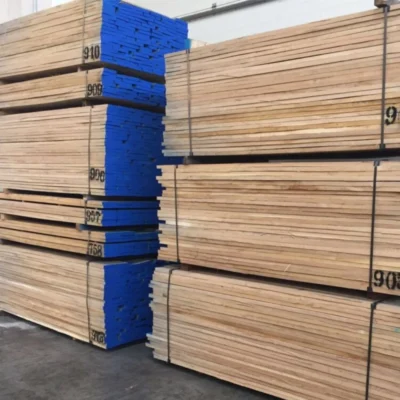
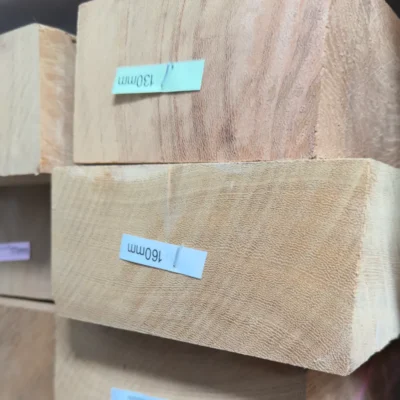
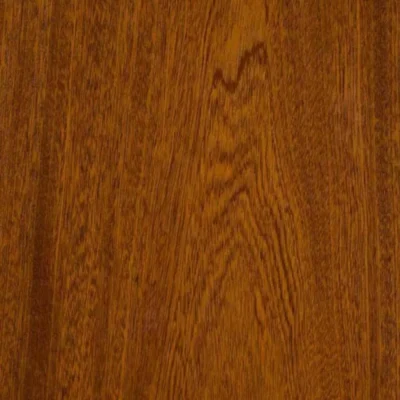
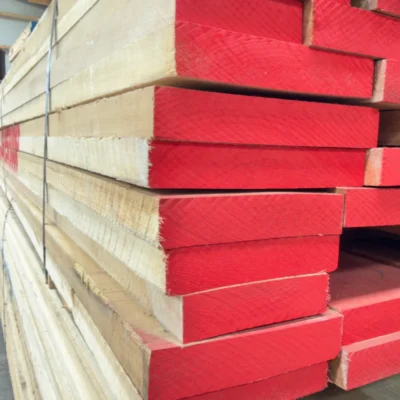
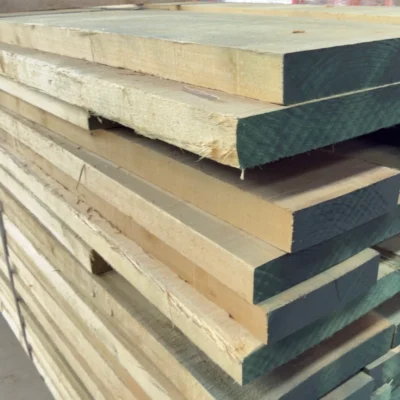
Hardwood FAQ's
Which hardwood is best for exterior joinery?
For exterior joinery, popular choices include Iroko, Sapele, European Oak and Idigbo.
Iroko is highly durable and well suited to exposed work, although it should be wiped with methylated spirit before finishing to improve adhesion.
Sapele is stable, durable and widely used for doors, windows and quality joinery.
European Oak is a premium traditional choice for visible exterior joinery.
Idigbo is often chosen for painted exterior joinery, but it should be primed correctly with an aluminium primer or stain-blocking primer to reduce tannin bleed.
What is Idigbo timber used for?
IIdigbo is a versatile pale yellow-brown hardwood often used for painted joinery, doors, windows, gates, furniture, shelving and general interior joinery. It is relatively stable, machines well and is a popular choice where a smooth painted finish is required.
For exterior joinery, Idigbo can be a good option when correctly detailed, sealed and maintained. For painted work, we recommend using an aluminium primer or specialist stain-blocking primer, as natural tannins can leach through standard paint systems.
Idigbo is not usually the first choice for permanently damp situations or ground-contact use. For more exposed exterior projects, species such as Iroko, Sapele or European Oak may be more suitable.
Which hardwood is best for furniture?
Several species are excellent furniture timbers.
- European Prime Oak – premium furniture and cabinetry.
- American White Oak – traditional furniture with distinctive grain.
- American White Ash – modern furniture, shelving and interior projects.
- Sapele – luxury furniture and cabinet making thanks to its rich colour.
The best choice depends on the appearance and finish you’re aiming to achieve.
Do you offer a cutting service?
Unfortunately we are unable to offer a cutting service at this time.
Is oak suitable for outdoor use?
Yes, but the type of oak matters. European Oak is generally the preferred choice for exterior joinery, gates and traditional external projects because of its proven durability and long history of outdoor use.
American White Oak is also a durable hardwood, but we usually recommend it more for internal joinery, furniture, flooring, worktops and cabinetry. If used outside, detailing, drainage, fixings and finish are especially important, as oak can discolour outdoors, particularly where moisture or metal contamination is present.
Use stainless steel or suitable galvanised fixings and avoid ordinary steel in contact with oak
What is the difference between American White Oak and European Prime Oak?
Both are premium hardwoods but have different characteristics.
European Prime Oak
- Traditional warm appearance
- Popular for heritage projects
- Often selected for premium joinery and furniture
American White Oak
- Widely used for furniture, flooring, worktops and joinery
- More consistent grain
- Excellent moisture resistance
Is Sapele recommended for exposed exterior projects.
Yes Sapele is highly recommended for exposed exterior projects. This premium African hardwood is dense, naturally rot resistant and boasts a beautiful mahogany-like grain. However it is not maintenance free; without regular care it's vibrant colour will fade to a silvery-grey patina.
Key Strengths for Outdoor Use
- Natural Durability: Sapele carries a Class 1–2 durability rating (highly resistant to rot and insect attack).
- Density & Strength: Clocking in at around 640–750 kg/m³, it is stronger and harder than many traditional softwoods and even American Oak.
- Stability: When seasoned and fixed properly, it resists twisting and warping in harsh weather
Do you have a downloadable guide to all the hardwoods you stock?
Yes. See below or click the download button at the top of this page